
Buy foreclosed houses.We have more than 1.5 Million properties available for you!

Find Foreclosed Homes for Sale
Foreclosures in Top Cities
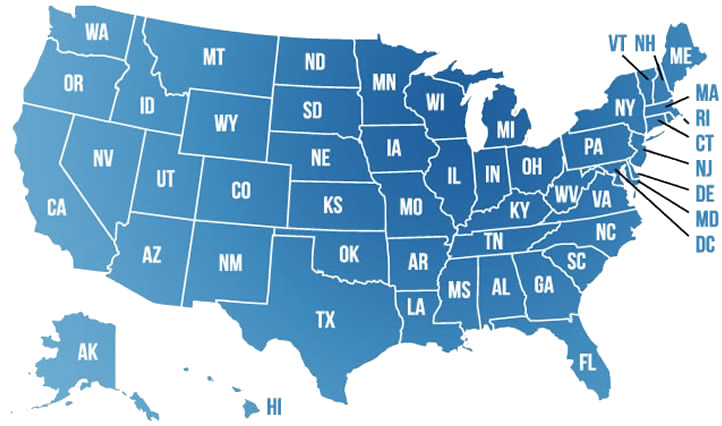


Most Active States
- Alabama Foreclosures
- Alaska Foreclosures
- Arizona Foreclosures
- Arkansas Foreclosures
- California Foreclosures
- colorado Foreclosures
- Connecticut Foreclosures
- Delaware Foreclosures
- Florida Foreclosures
- Georgia Foreclosures
- Hawaii Foreclosures
- Idaho Foreclosures
- Illinois Foreclosures
- indiana Foreclosures
- Iowa Foreclosures
- Kansas Foreclosures
- Kentucky Foreclosures
- Louisiana Foreclosures
- Maine Foreclosures
- Maryland Foreclosures
- Massachusetts Foreclosures
- Michigan Foreclosures
- Minnesota Foreclosures
- Mississippi Foreclosures
- Missouri Foreclosures
- Montana Foreclosures
- Nebraska Foreclosures
- Nevada Foreclosures
- New Hampshire Foreclosures
- New Jersey Foreclosures
- New Mexico Foreclosures
- New York Foreclosures
- North Carolina Foreclosures
- North Dakota Foreclosures
- Ohio Foreclosures
- Oklahoma Foreclosures
- Oregon Foreclosures
- Pennsylvania Foreclosures
- Rhode Island Foreclosures
- South Carolina Foreclosures
- South Dakota Foreclosures
- Tennessee Foreclosures
- Texas Foreclosures
- Utah Foreclosures
- Vermont Foreclosures
- Virginia Foreclosures
- Washington Foreclosures
- Washington Dc Foreclosures
- West Virginia Foreclosures
- Wisconsin Foreclosures
- Wyoming Foreclosures
Most Active Cities
- Albuquerque, NM Foreclosures
- Atlanta, GA Foreclosures
- Birmingham, AL Foreclosures
- Bronx, NY Foreclosures
- Brooklyn, NY Foreclosures
- Charlotte, NC Foreclosures
- Chicago, IL Foreclosures
- Dallas, TX Foreclosures
- Denver, CO Foreclosures
- Detroit, MI Foreclosures
- El Paso, TX Foreclosures
- Houston, TX Foreclosures
- Indianapolis, IN Foreclosures
- Jacksonville, FL Foreclosures
- Las Vegas, NV Foreclosures
- Little Rock, AR Foreclosures
- Los Angeles, CA Foreclosures
- Memphis, TN Foreclosures
- Miami, FL Foreclosures
- Milwaukee, WI Foreclosures
- Mobile, AL Foreclosures
- Orlando, FL Foreclosures
- Philadelphia, PA Foreclosures
- Pittsburgh, PA Foreclosures
- Phoenix, AZ Foreclosures
- Tampa, FL Foreclosures
- San Antonio, TX Foreclosures
- San Diego, CA Foreclosures
- San Francisco, CA Foreclosures
- Seattle, WA Foreclosures
Most Active Counties
- Bay, MI
- Blount, TN
- Broward, FL
- Cherokee, GA
- Clark, NV
- Collier, FL
- Collin, TX
- Cook, IL
- Dade, FL
- Fayette, GA
- Floyd, GA
- Gwinnett, GA
- Harris, TX
- Hidalgo, TX
- Lake, FL
- Marion, FL
- Monroe, MI
- Newton, GA
- Orange, FL
- Osceola, FL
- Palm Beach, FL
- Pasco, FL
- Queens, NY
- Saint Johns, FL
- Santa Clara, CA
- Seminole, FL
- Tarrant, TX
- Trumbull, OH
- Wayne, MI
- Westchester, NY
Your Number One Resource for Foreclosed Homes
Now you can access the most comprehensive listings of foreclosed homes for sale available anywhere with our exclusive, easy to use search tools. Whether you are a first time homebuyer, next time homebuyer, beginning real estate investor, or a seasoned foreclosure investment professional, you will find the right foreclosure houses, apartments and condos that you need at ForeclosureDeals.com.
All Types of Foreclosure Homes
ForeclosureDeals.com brings you the most accurate listings of foreclosed properties through our huge and up-to-date database. We know you want access to all types of foreclosure homes for sale. That's why we generate lists of cheap houses, distressed properties, bank owned REO homes, repo homes, foreclosure short sales and more.
Try our listings of government foreclosures, which include freddie mac foreclosures, fannie mae foreclosures, FHA homes, HUD houses, VA foreclosures and tax lien foreclosures. Foreclosure investing is easy, and you may even be eligible for a housing tax credit by buying a foreclosure.
Information on government foreclosures and bank foreclosures is also available, and you can save thousands by buying such homes.
Find Foreclosure Listings - Accurate and Fresh
You want to see it all, so we deliver over 1.5 million foreclosure listings from across the country. You want to find foreclosure listings before anyone else does, so we update our listings of homes in foreclosure every single day from multiple public, private, government, and corporate sources.
Easy to Use
You don't have time to learn a complicated system, but you do need accurate search results. That's why we've created a simple point and click system that allows you to easily find foreclosure homes. Search by State, County, City, and Zip Code. Plus you can easily apply custom filters to focus your search on exactly what you want.
Tools and Resources
We provide you with a vast library of educational resources and tips for beginners as well as seasoned experts, including information about buying procedures, foreclosure laws by state, foreclosed homes and foreclosure auctions. Learn how to calculate costs and income potential to get the most value out of your foreclosure property investment.
Latest Mortgage Rates
Type
Last Week
Today
Change
-
5/1 Year ARM
6.86%
6.88%
0.003%

-
15 Year Fixed Mortgage
7.1%
7.14%
0.006%
-
30 Year Fixed Mortgage
7.83%
7.99%
0.020%

Testimonials
If you're curious about or customers' opinions read below the 4 testimonials about our foreclosure listings service: Overall Rating: .
About Foreclosure Deals
"ForeclosureDeals.com was extensively useful in a time where finding legit and reasonable foreclosures was limited. After fishing through a number of bogus websites, I was pleased that ForeclosureDeals.com provided me with what I needed as well as detailed info on the foreclosure process as a whole."
About Foreclosure Deals
"As a homebuyer, the process can be a complicated and discouraging one. Upon discovering ForeclosureDeals.com, I was glad to not only find that it gave me access to an endless list of properties, but the listings were very professional and detailed; the learning center was also a great resource for all my inquiries."
About Foreclosure Deals
"Good site to navigate! I don't use the computer much and have had trouble navigating sites in the past. I'm very new to the internet, so I wanted to give the internet one more chance and help me with my home buying experience. I got to this site from Google and saw that it gave me a fast option to already choose where I wanted to look. I spent time looking and even got to see helpful tips and blogs about the latest news."
About Foreclosure Deals
"I have to say that Foreclosure Deals came through for me! The customer service guided me and gave me quick responses to my question. Finding a home takes long but is never organized, but as a member of the site deals made it a priority to make my experience a very easy and well planned one."
Would you like to submit a testimonial about our services? Fill out the testimonial form and submit your review today!
